
For the first time since its establishment, the Supreme Administrative Court of the Slovak Republic was part of the The International Association of Supreme Administrative Institution Congress
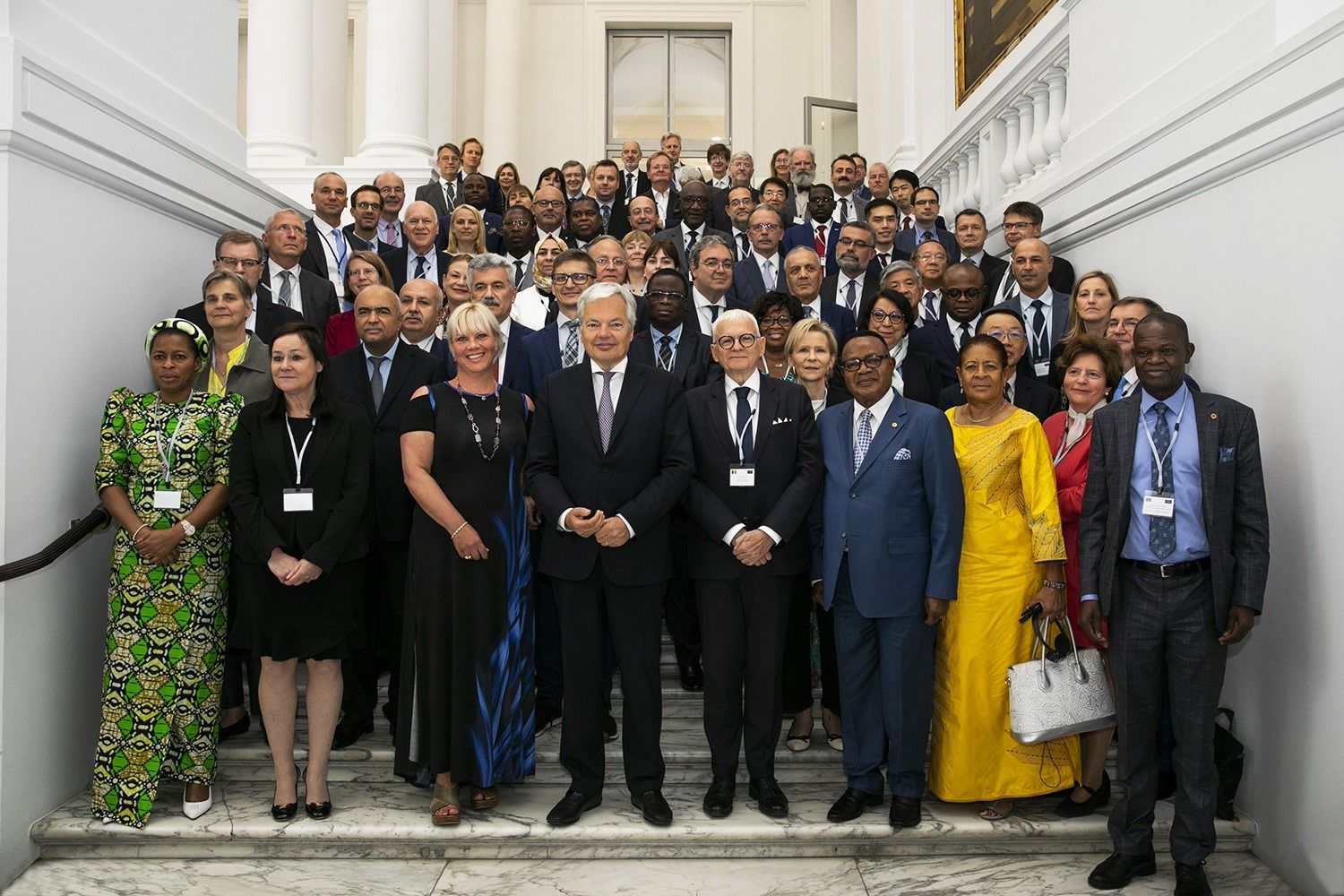
The Congress is held every three years in a different location and was last held in 2019 in Mexico. The official programme started on Monday, 20 June, with an address by Roger Stevens, President of the Council of State of Belgium and also President of IASAJ. The European Commissioner for Justice, Didier Reynders, also welcomed the attendees. In the afternoon of each day, members of the Association took part in the workshops that are part of each congress. On its final day, Wednesday 22 June, the IASAJ General Assembly took place, during which members discussed a number of technical and organisational matters.
The Supreme Administrative Court, or the President of the Court, Pavol Naď, was part of the group that dealt with the decision-making activities of the Supreme Administrative Courts during the COVID-19 pandemic during the workshop. Barbara Pořízková, Vice-President of the Supreme Administrative Court of the Czech Republic, was the Chairperson of the group.
“Participation in the congress gave us a perspective and an opportunity to compare ourselves with other jurisdictions that had to, or still have to, deal with the topic of measures related to the COVID-19 pandemic in their decision-making activities. The discussions and workshops were a platform for a better understanding of our own problems as well,” said the President of the Court, Pavol Naď, after his return from Brussels. Daniel Staruch, Director of the Office of the President of the Court, accompanied him on his foreign business trip.
IASAI was founded in 1983. It brings together more than 100 supreme administrative courts from all continents of the world. Its aim is to promote cooperation on legal issues falling within the adjudicatory activity of administrative courts of last resort. In addition, the Association ensures the exchange of knowledge and experience in judicial practice at international level.